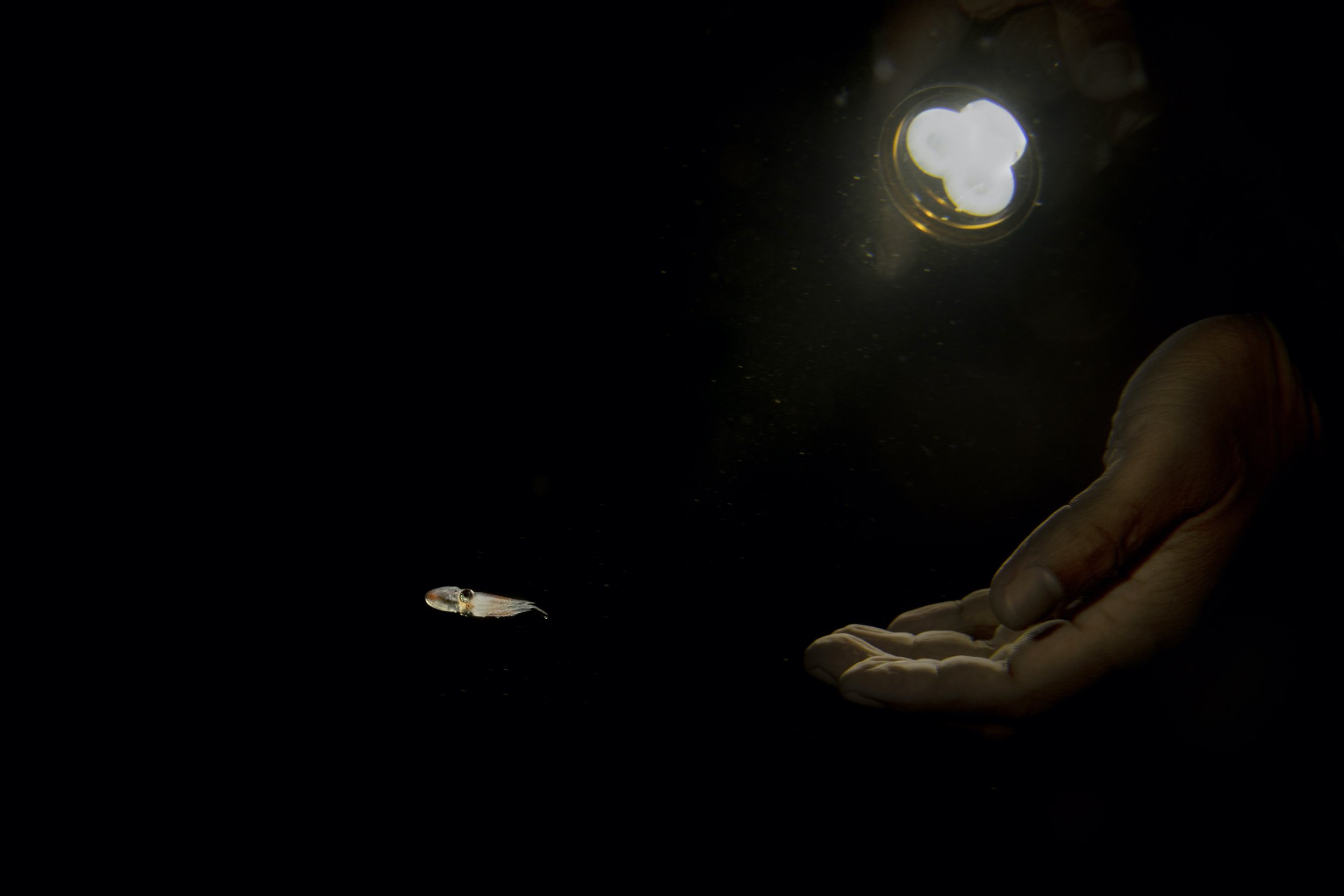
The ocean at night is not empty. Suspended in darkness, life drifts like stars unanchored, flickering quietly in the vast unknown.
“Vast areas of our ocean are yet to be explored… As you descend, the sunlight rapidly fades. 200 meters down, you enter the twilight zone. An alien world inhabited by creatures beyond imagination.”
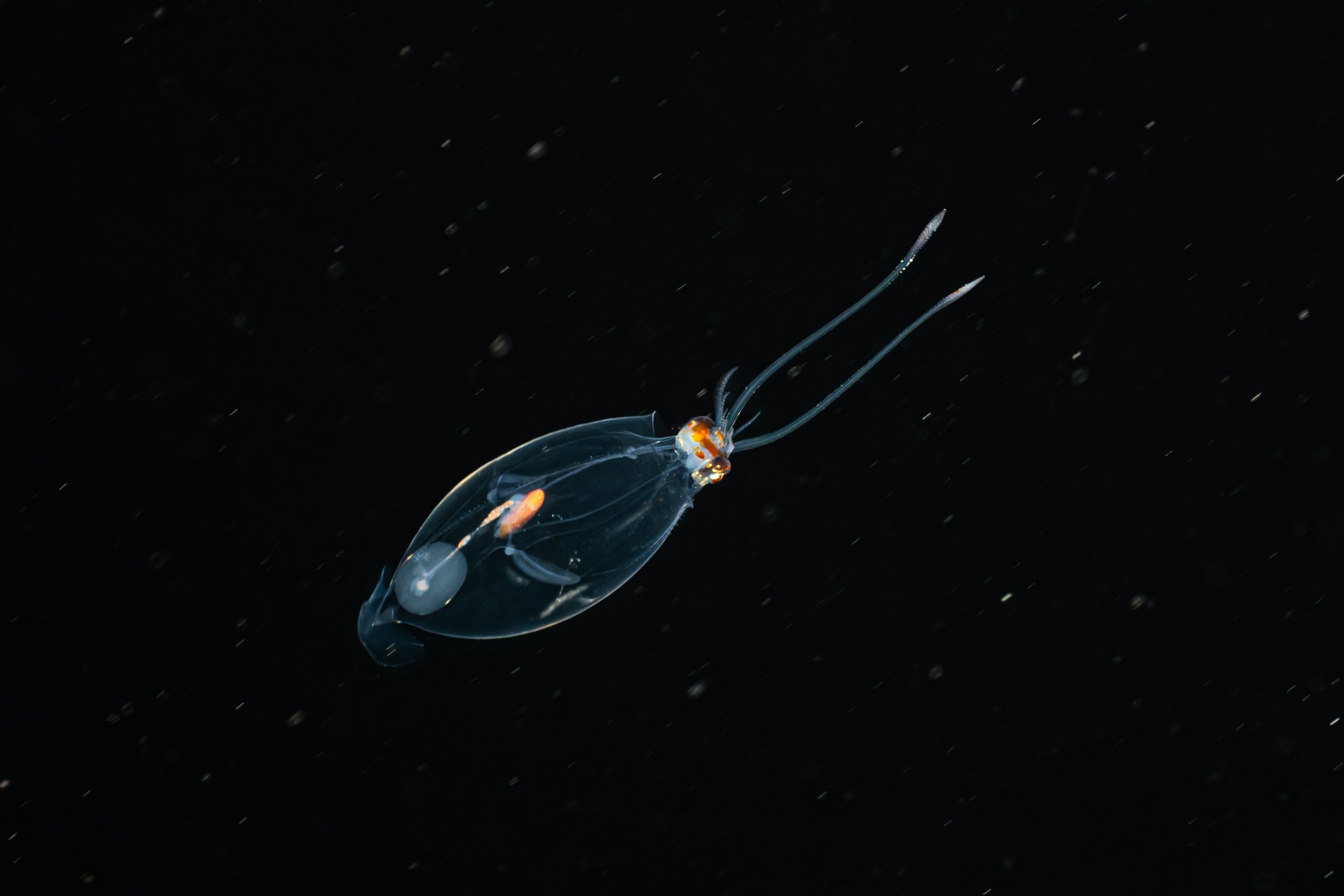
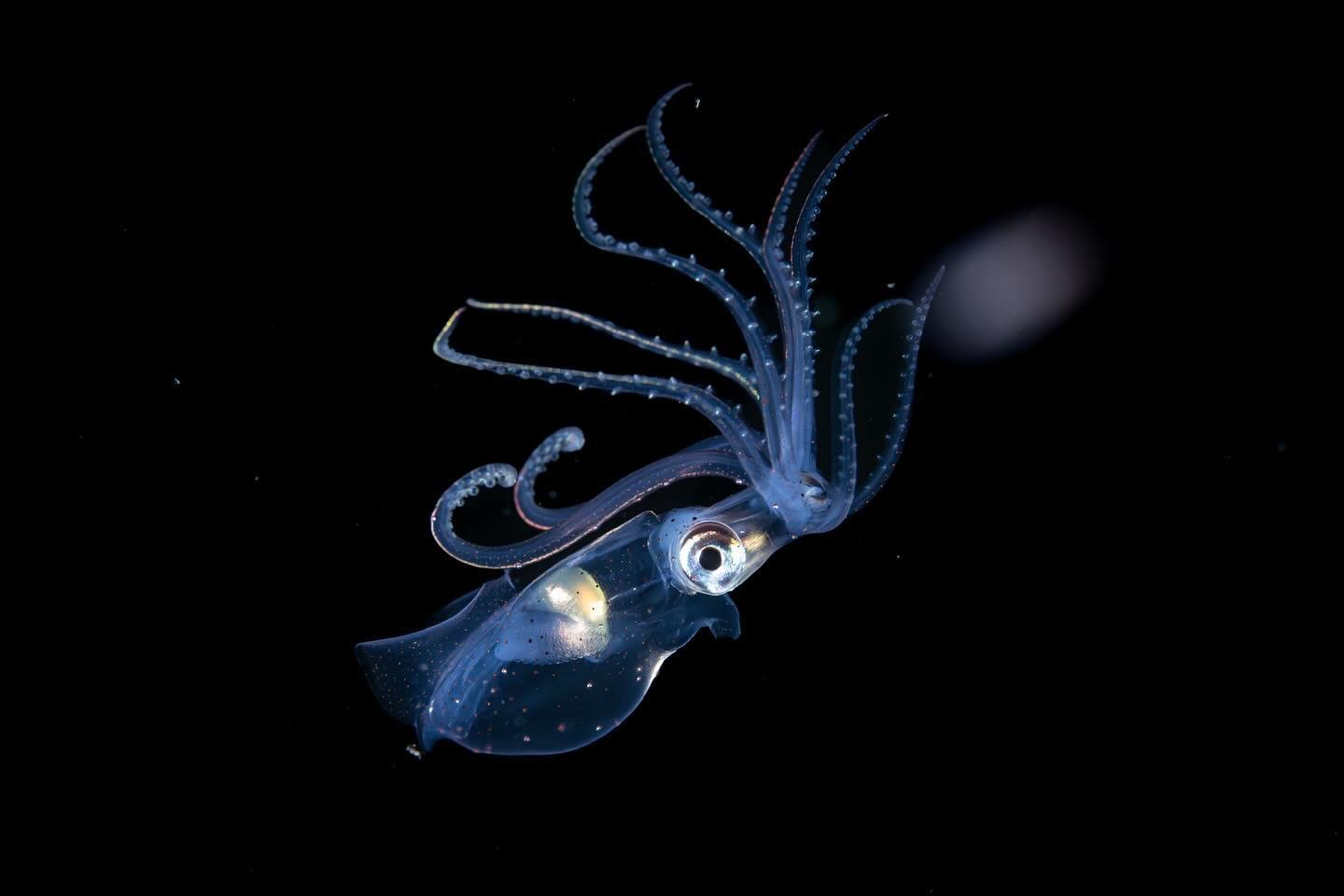
In Episode 2 of the series, a remotely operated vehicle — larger than most cars — descends two miles beneath the ocean’s surface, capturing extraordinary lifeforms in the abyss. Among them: the glass squid, filmed in the deep sea off the Azores archipelago in the mid-Atlantic.
When I first watched that moment, I was stunned not by the creature’s strangeness, but by its familiarity. I had seen it before in photos taken by blackwater photographers in Osezaki, Japan and Florida, USA. I don’t know why, but a small voice inside me whispered: “One day, you’ll see it too.”
In January 2024, I returned to Anilao, Philippines, the place where my own journey into blackwater diving began. I was there on a production shoot. So, unlike most, I filmed not with a macro setup, but with a 24-70mm lens — framing both the operation of a blackwater diving.
And then it happened.
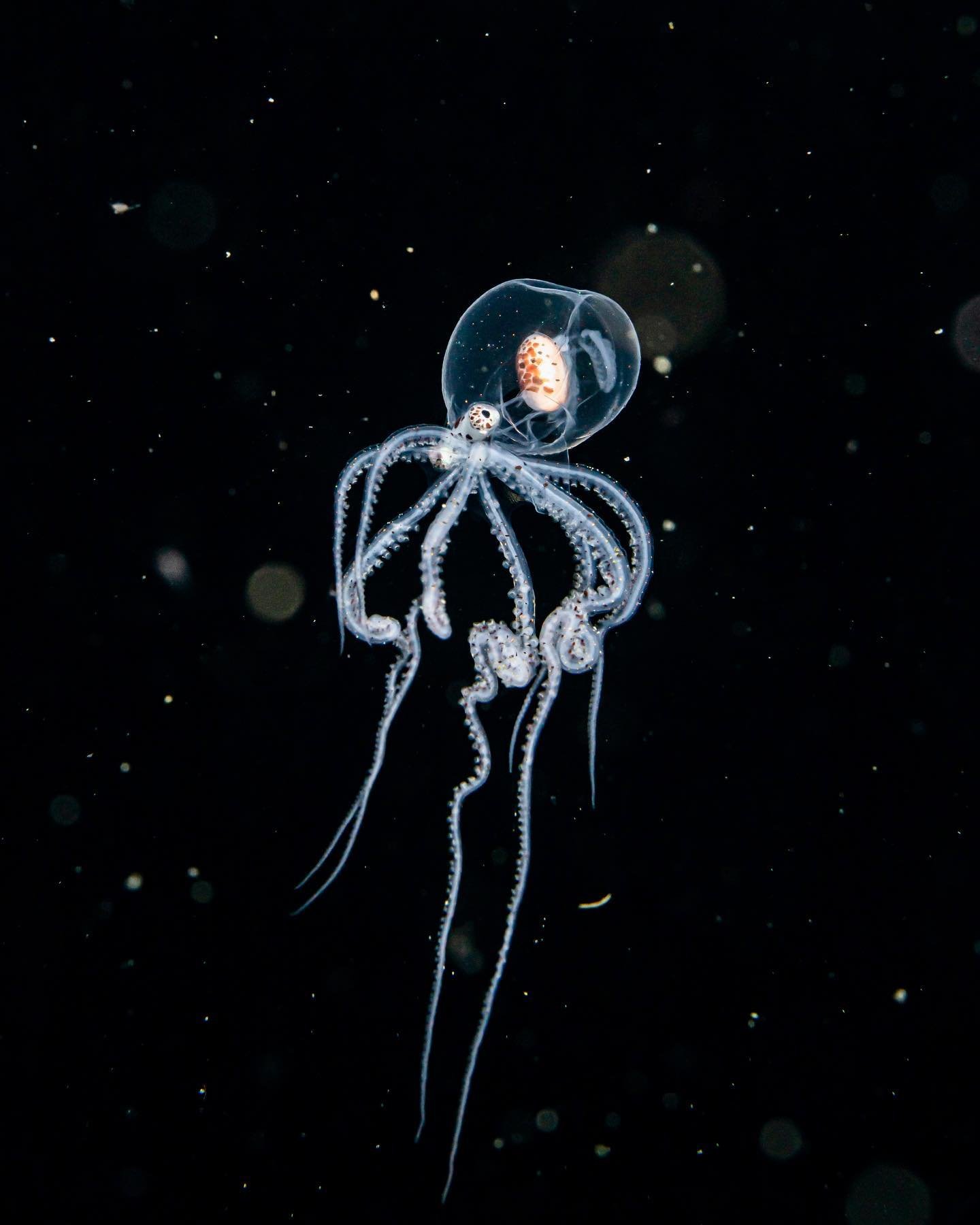
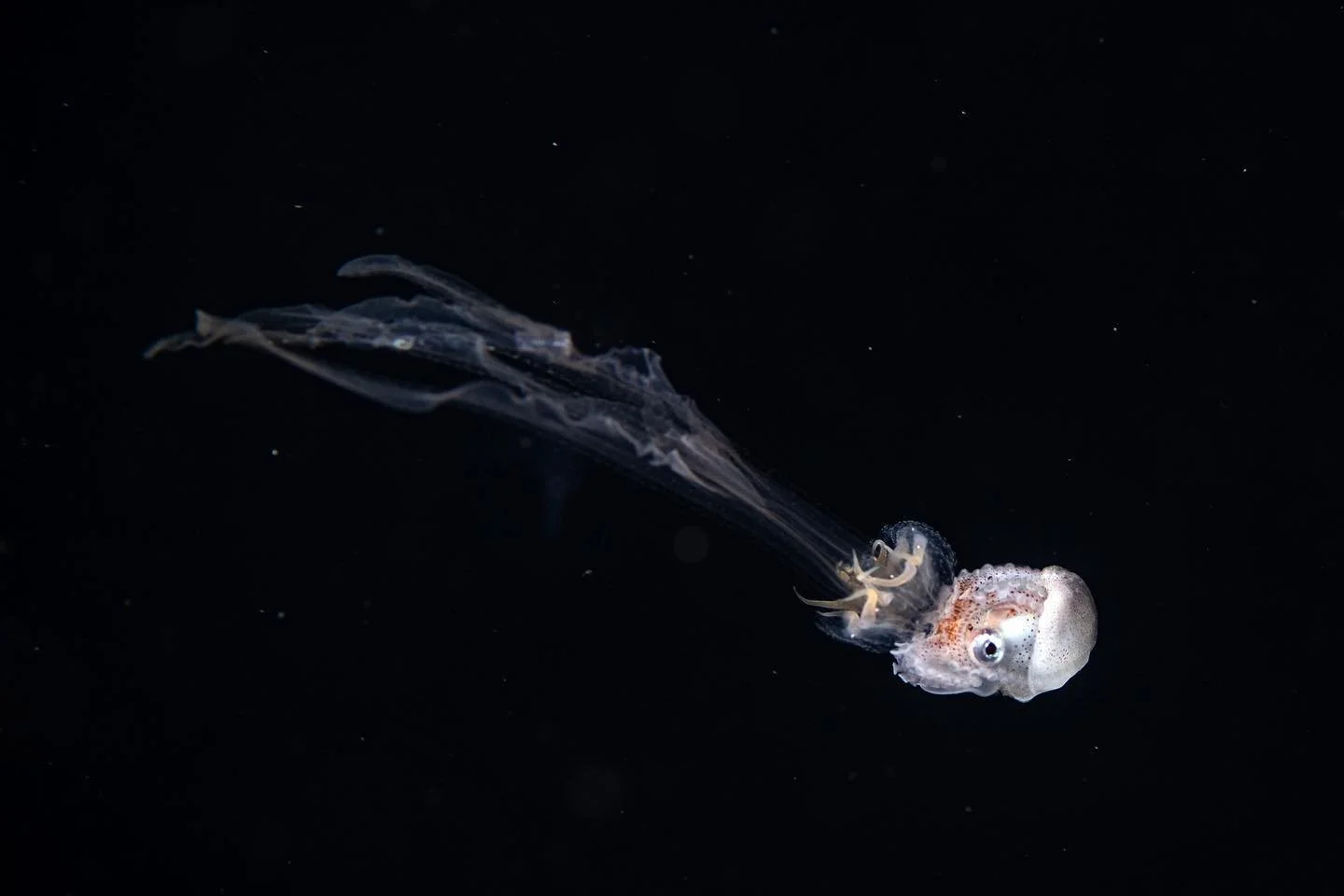
At just 20 meters below the surface, drifting in the blackness, we spotted it — a translucent, gelatinous glass squid, shimmering like a secret. The very same species captured by a robotic arm miles below, now floating before our eyes.
The encounter we had was made possible by a phenomenon known as diel vertical migration — the largest movement of biomass on Earth. Every night, under cover of darkness, countless deep-sea organisms rise toward the surface to feed, traveling from the ocean’s depths into the upper water column. It’s a silent migration that happens all around the world — and few ever notice.
Unlike traditional dives along reefs or seafloors, blackwater diving takes place in the open ocean at night, often miles offshore, over water thousands of meters deep. Divers descend into the inky darkness, guided only by lights suspended beneath the boat. There is no visible bottom, no reef to follow — just the water column and the life that drifts within it.

I first experienced blackwater diving in December 2019, and it completely changed the way I understood the ocean. Since then, I’ve returned to the black each time with deeper awe, diving in sites across the world — from West Palm Beach, Florida, Big Island of Hawai‘i, to Anilao, Philippines.
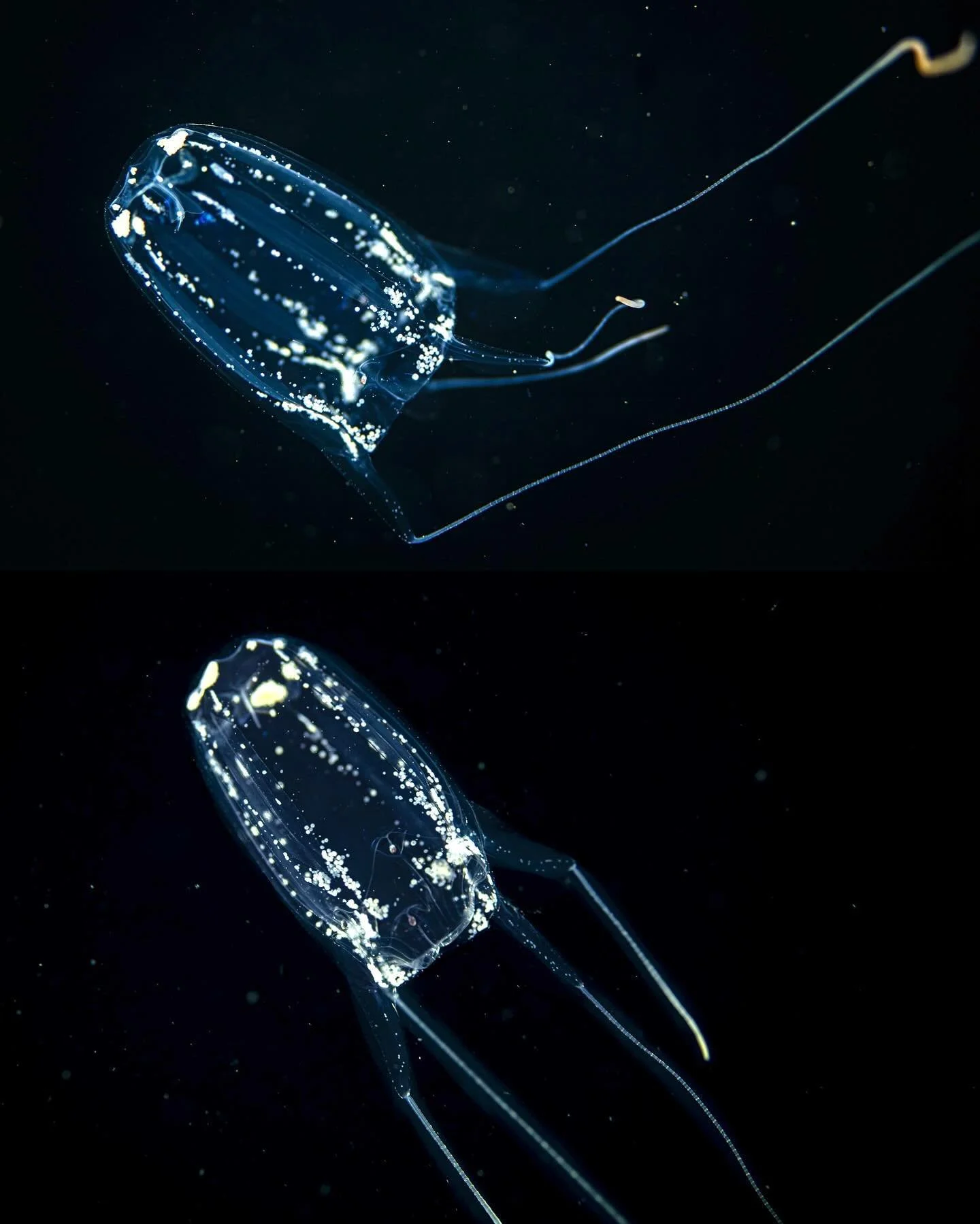
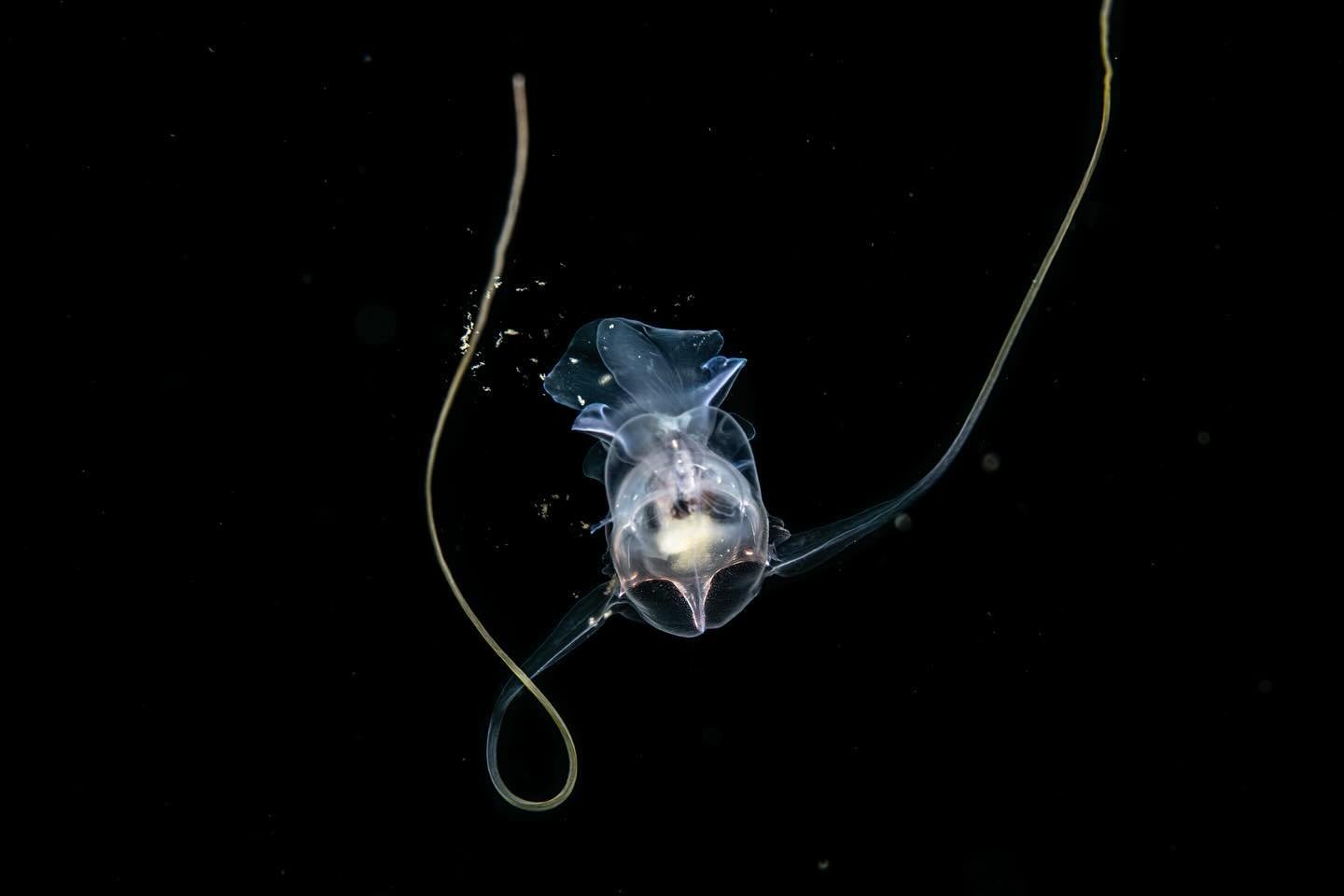
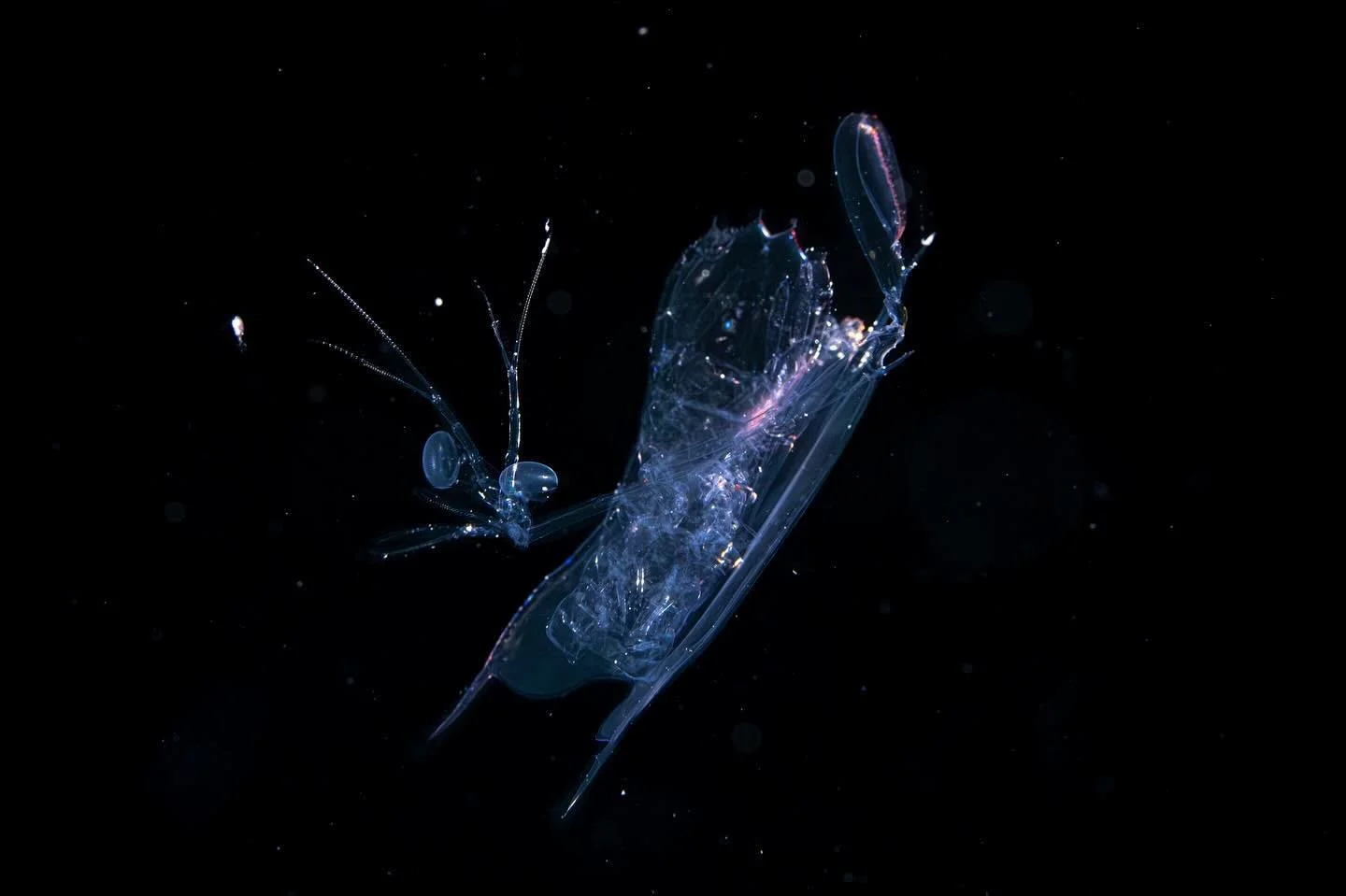
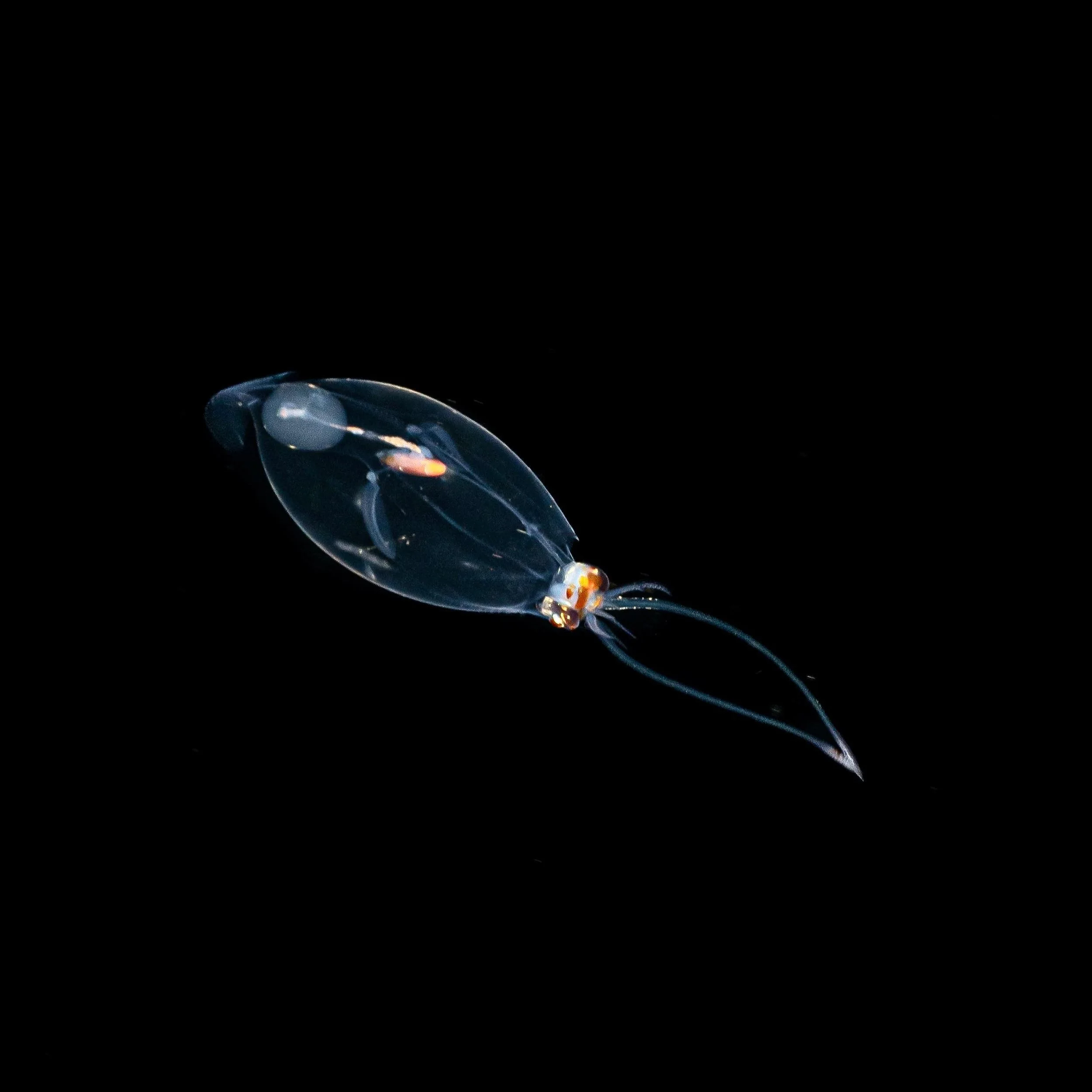
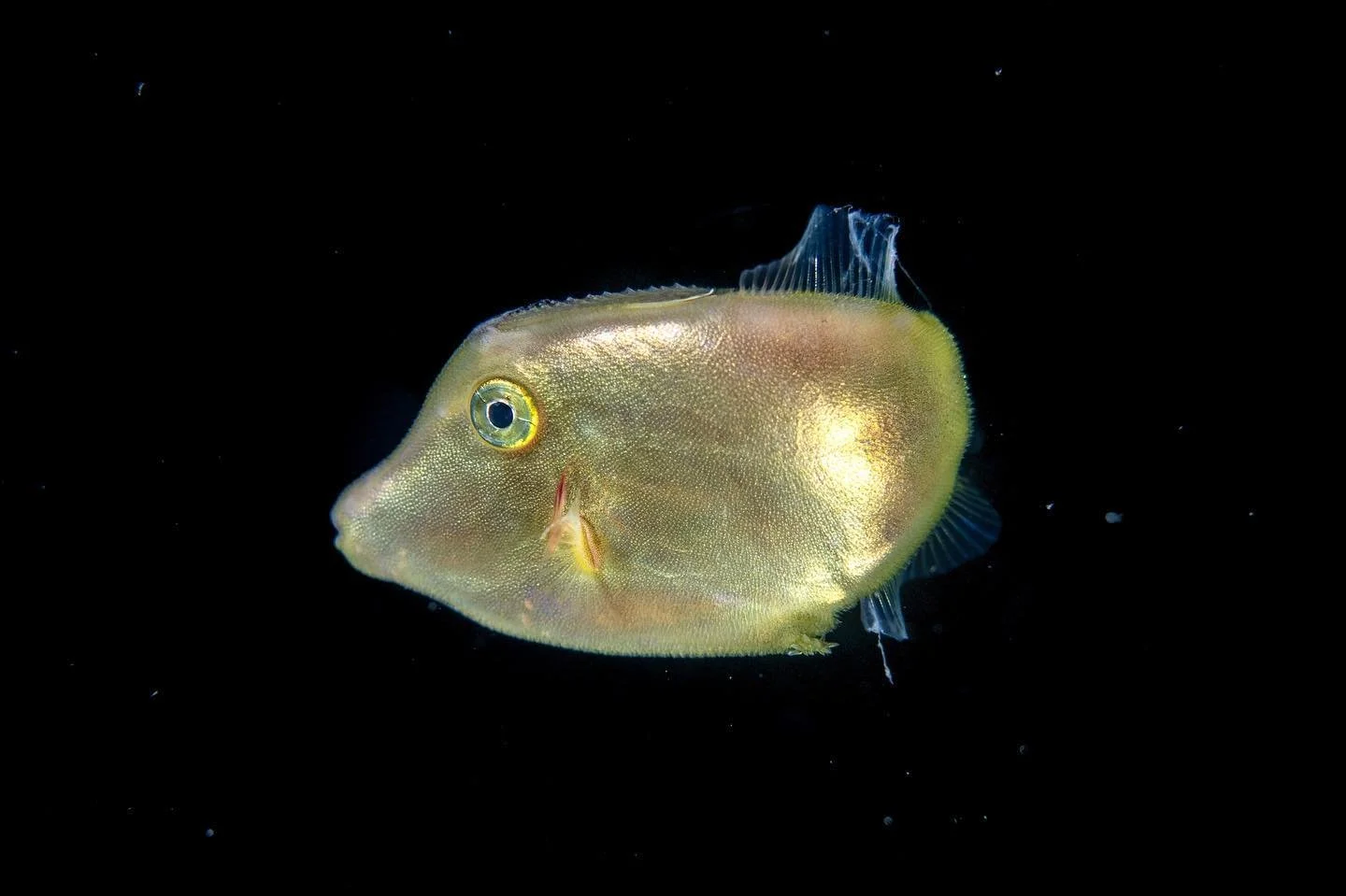
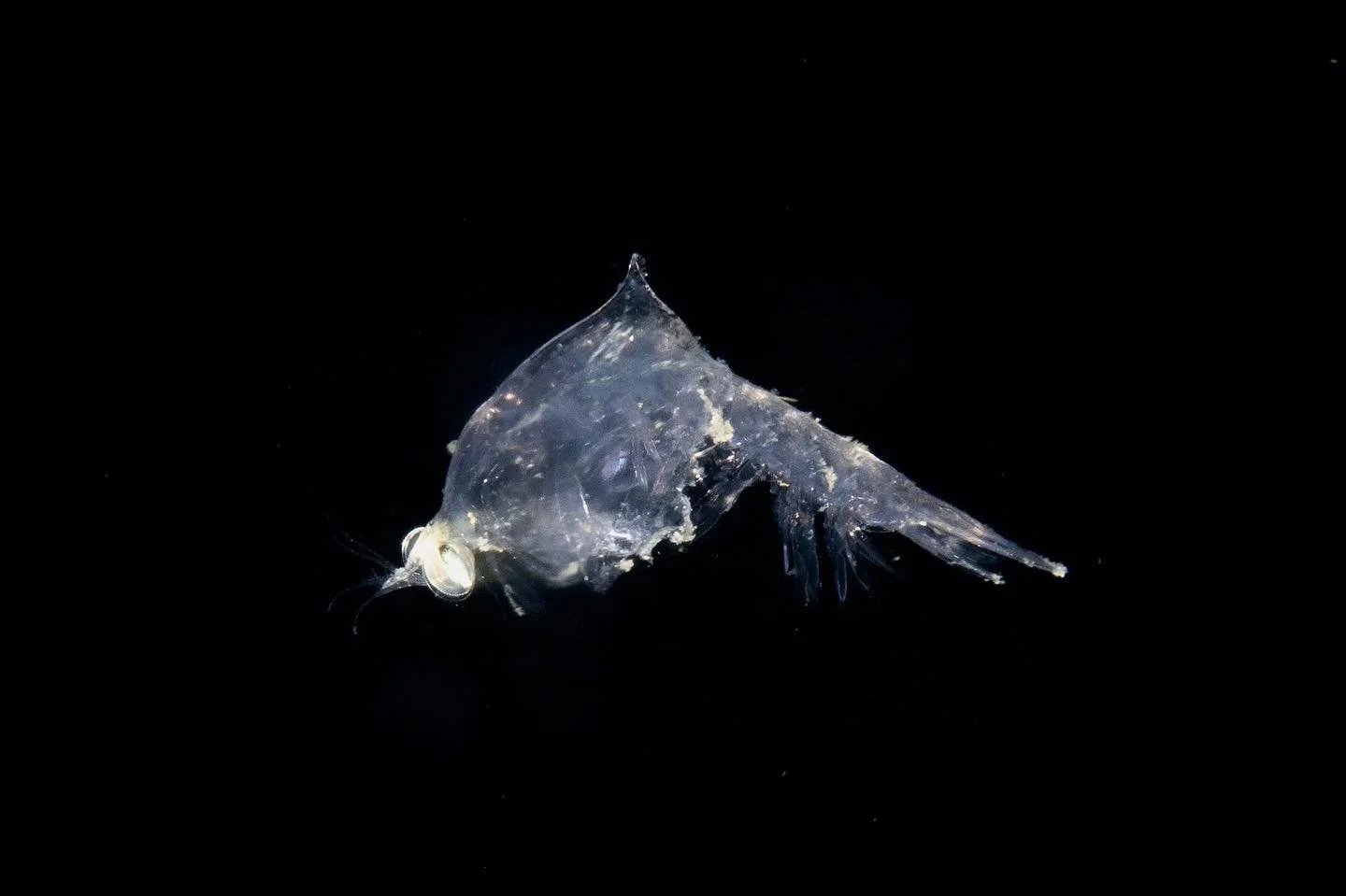
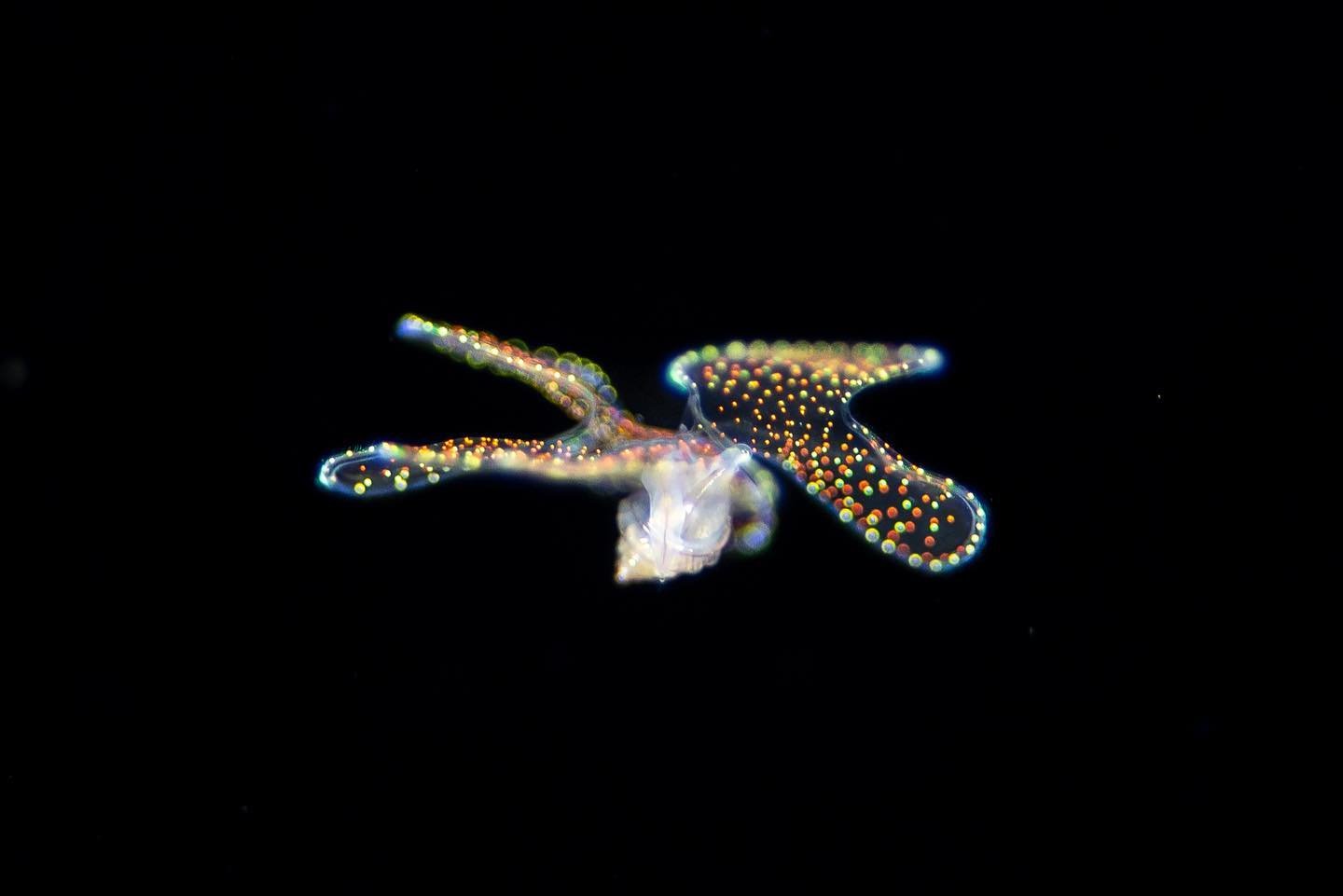
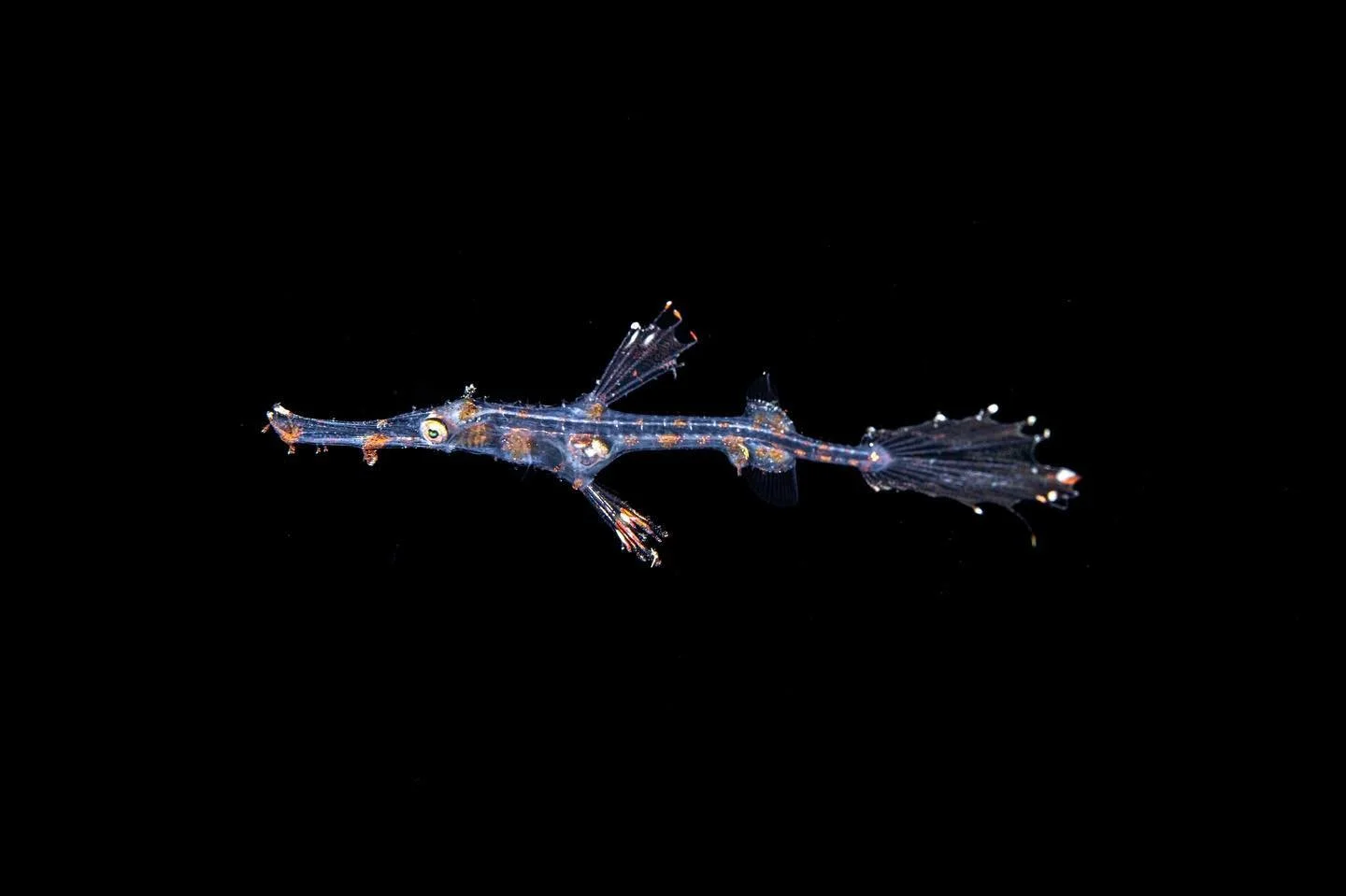
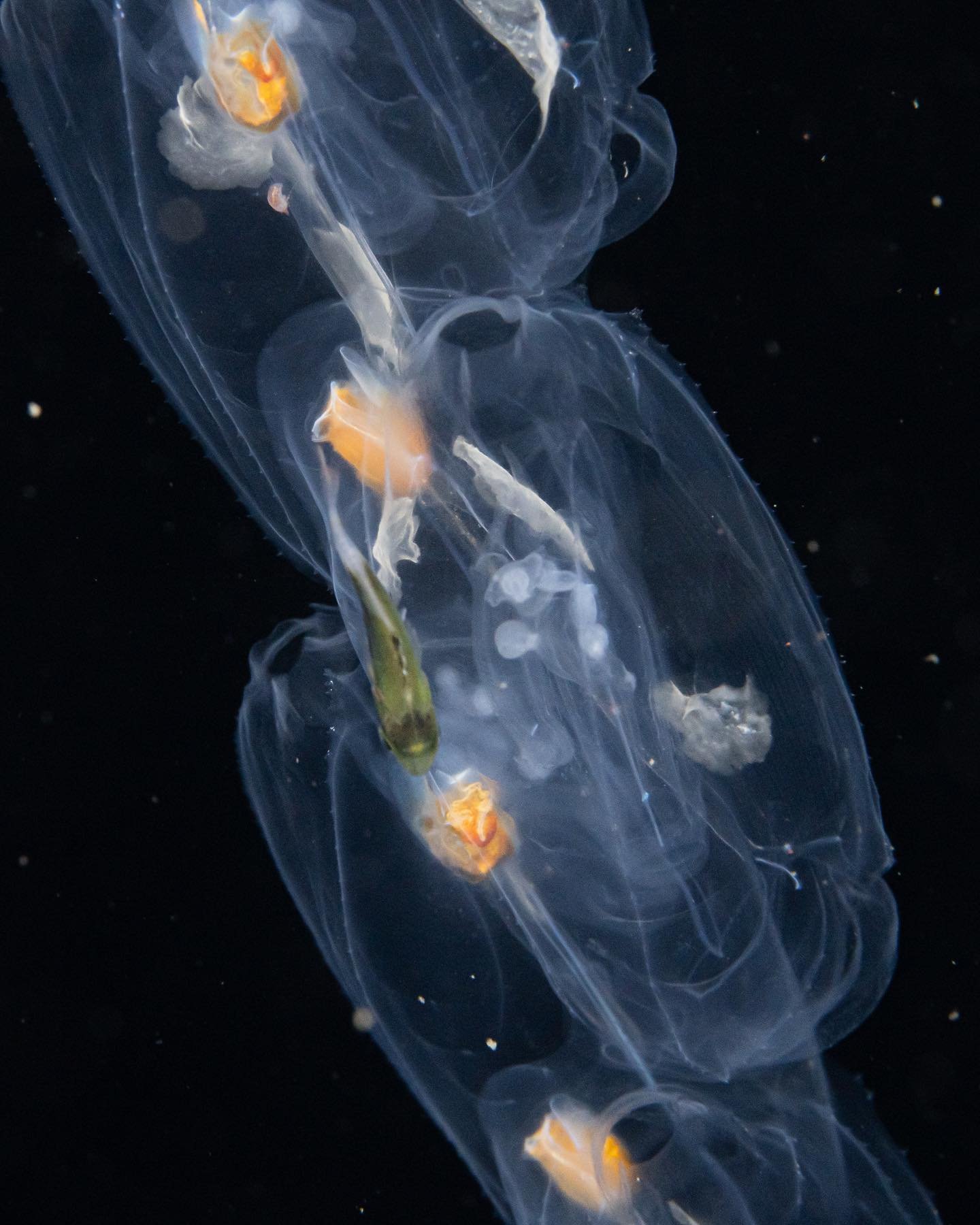
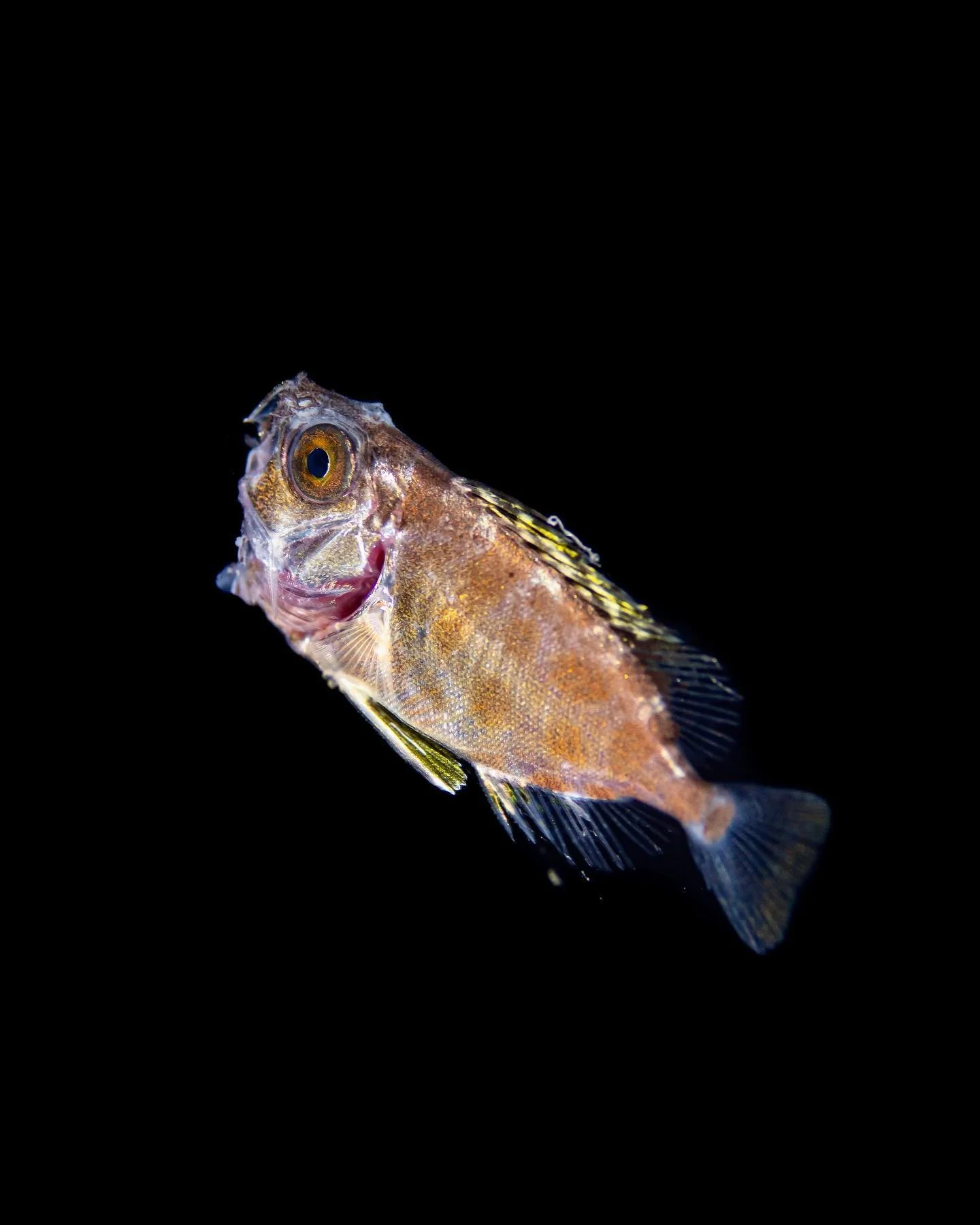
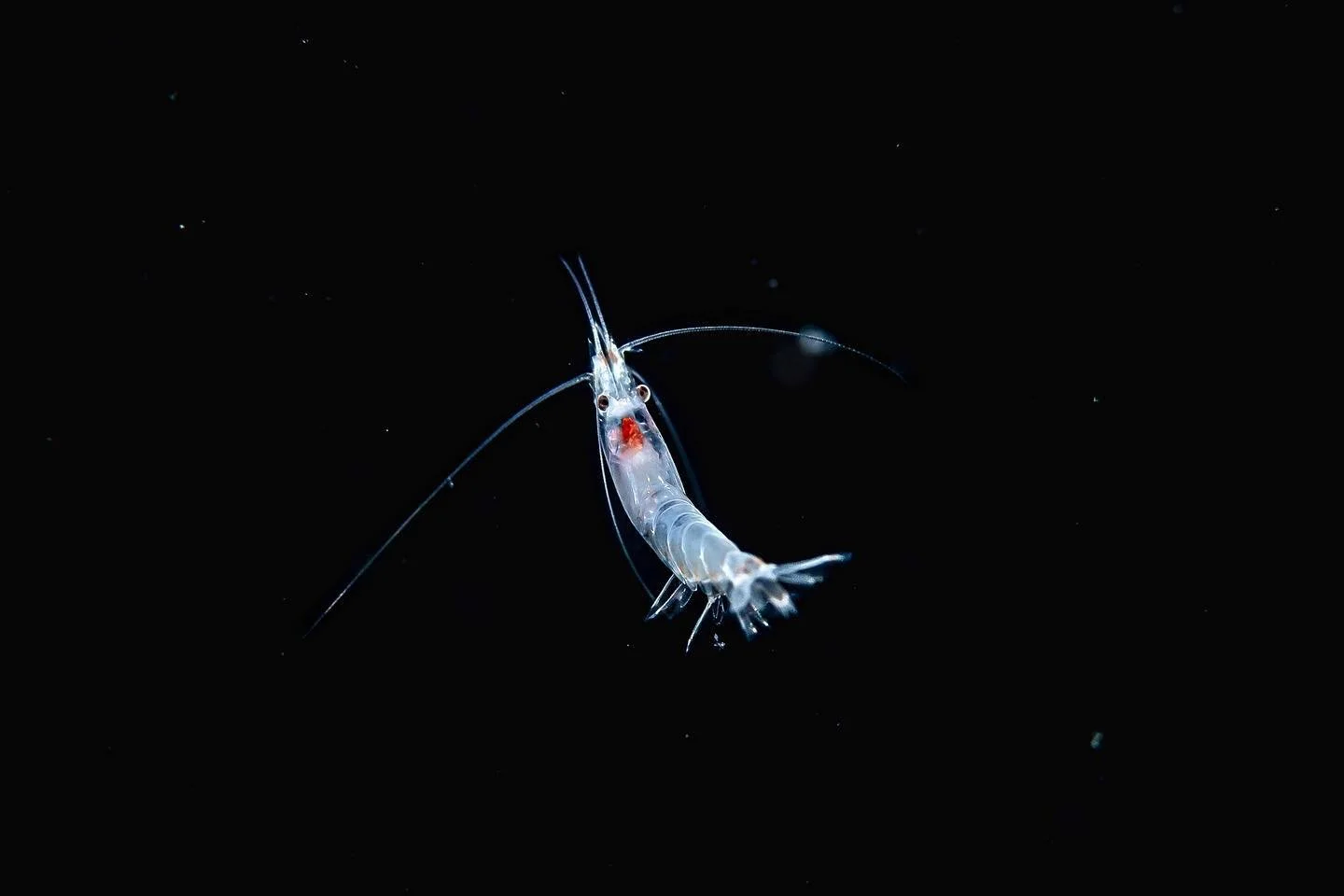
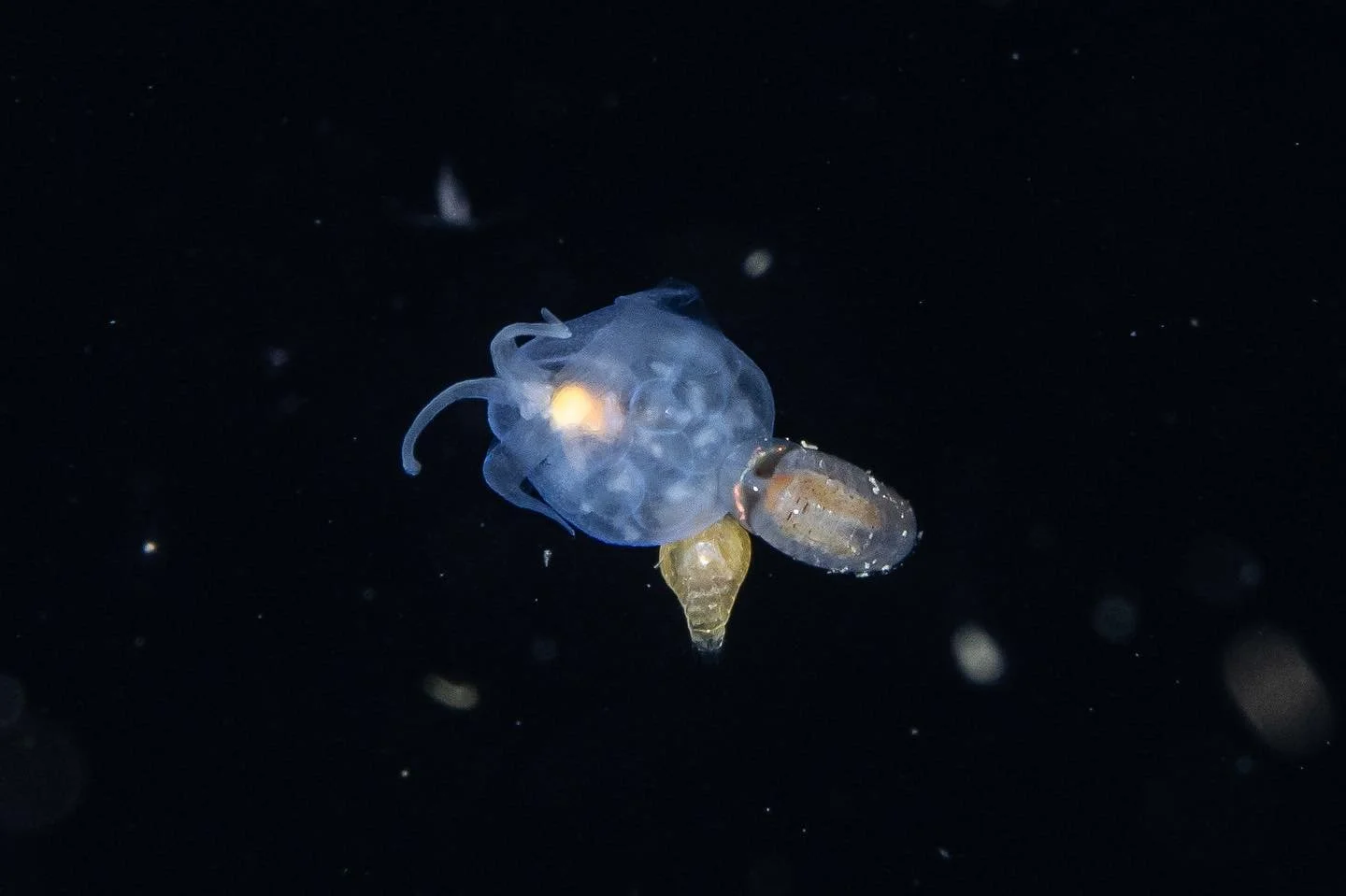
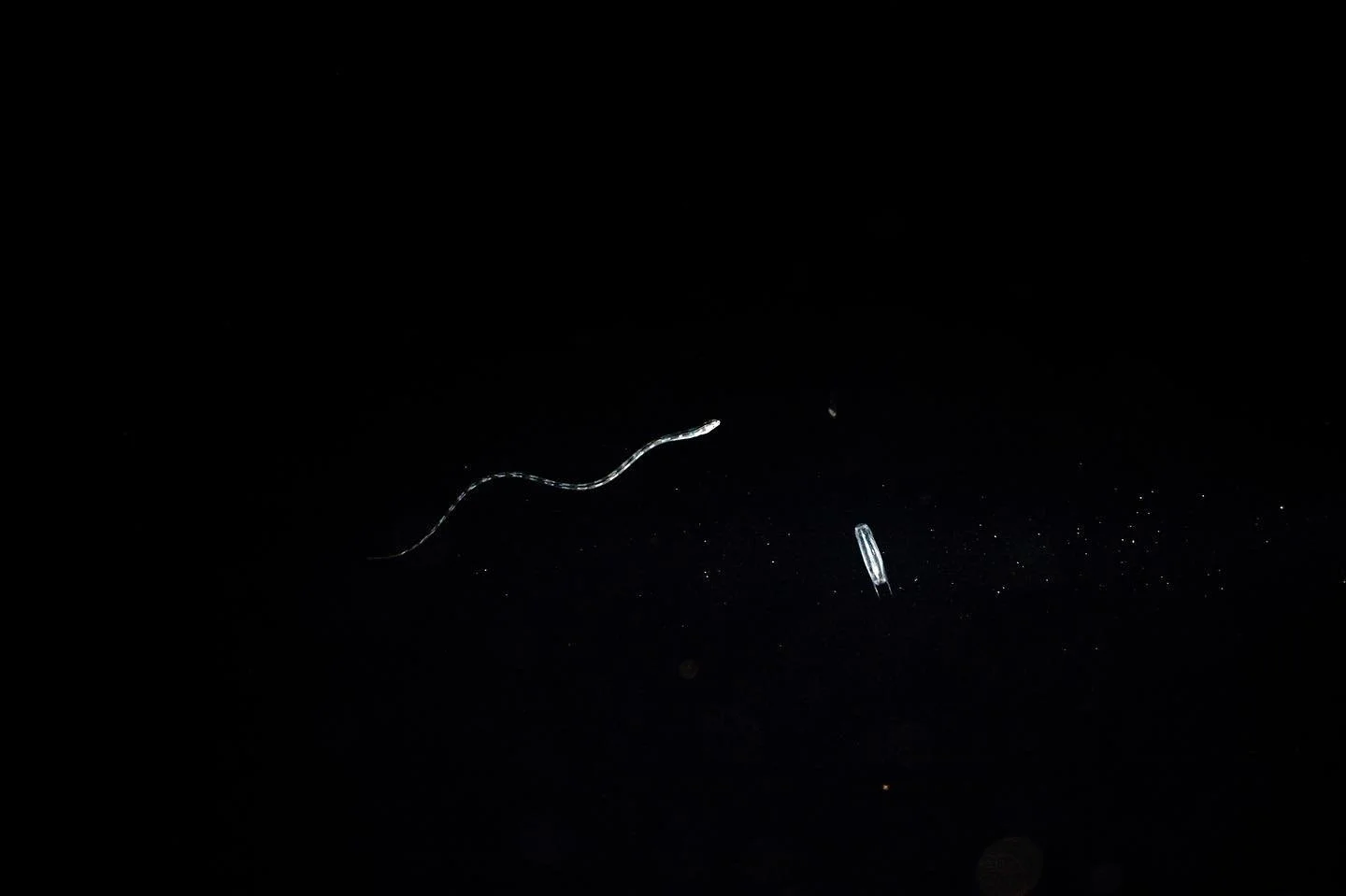
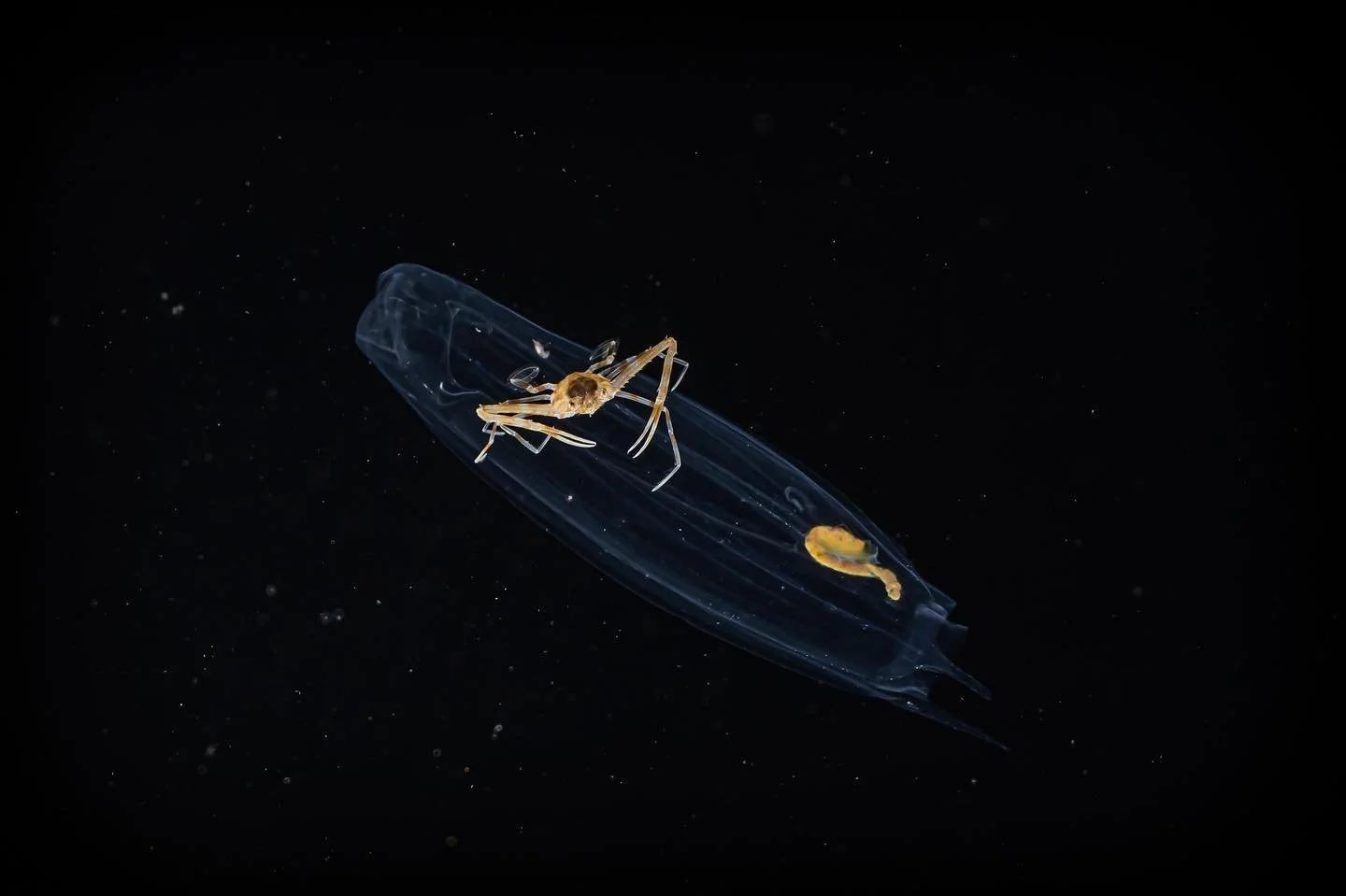
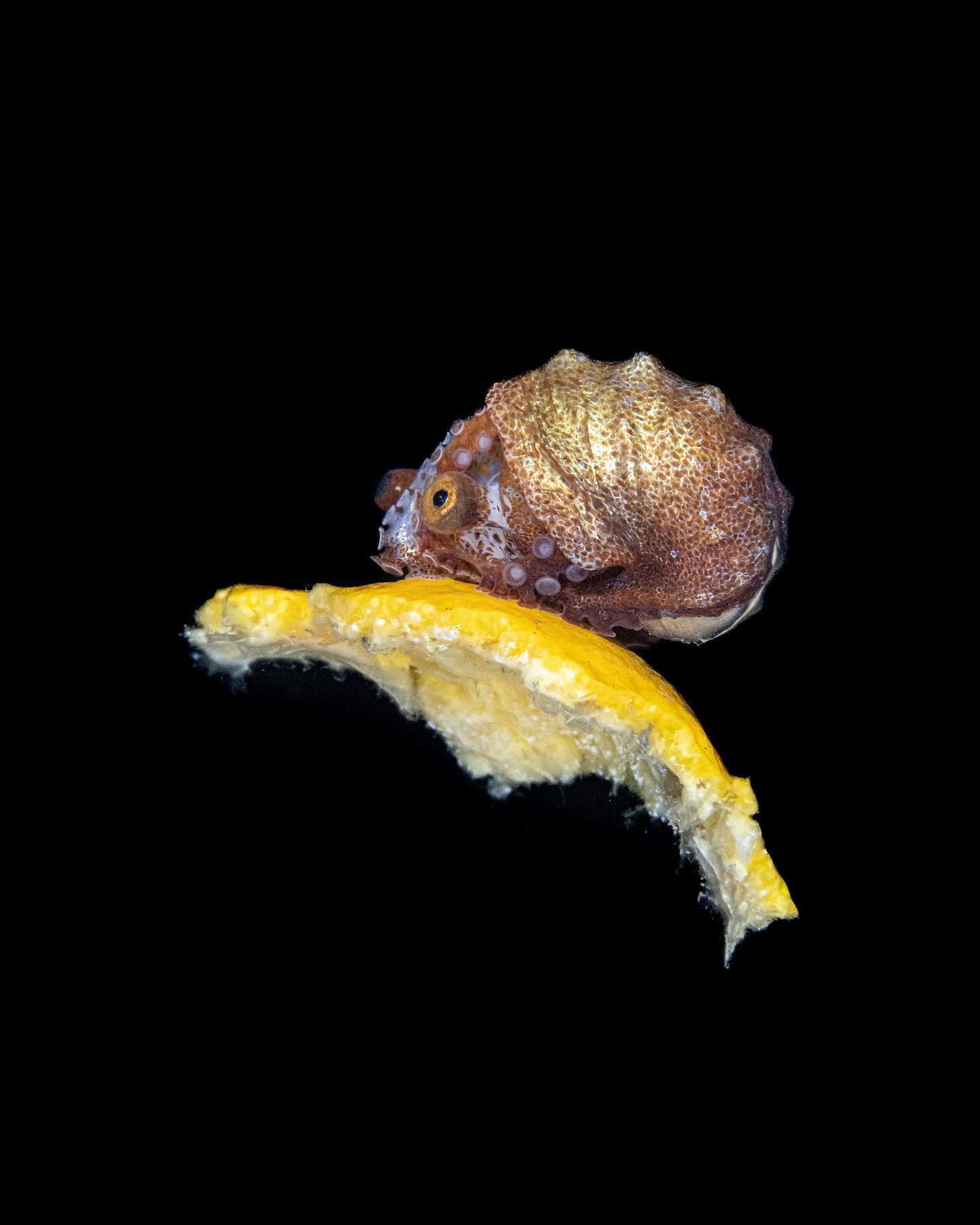
Each dive offers something unexpected: a fleeting encounter, a creature rarely seen, or a moment of stillness in the dark. Here, I’ve gathered some of my most memorable images from those nights, along with the stories behind them.

VOICES OF GENERATION Z
“Generation Z” generally refers to the generation born between 1995 and 2009, often described as the first digital-native generation. Cai Jialing is China’s first blackwater photographer from the post-1995 generation. Her work takes her into the deep ocean at night, where she captures plankton and other drifting organisms near the ocean’s surface. In this episode, she shares her journey of discovering her connection with the ocean and her pursuit of the mysteries of the deep sea.
Underwater Cinematography by Lily Zhang | Runtime: 14:39 | 1080P | Chinese | 2024